https://www.healthline.com/nutrition/8-benefits-of-kombucha-tea
https://www.bbcgoodfood.com/health/nutrition/health-benefits-kombucha
https://thepowerofchi777.com/shop-premium-organic-supplements/
Large Kombucha SCOBY with Starter Tea – 5 Easy Steps to Homemade Kombucha
A large Kombucha SCOBY with starter tea and full instructions — everything you need to begin brewing kombucha at home.
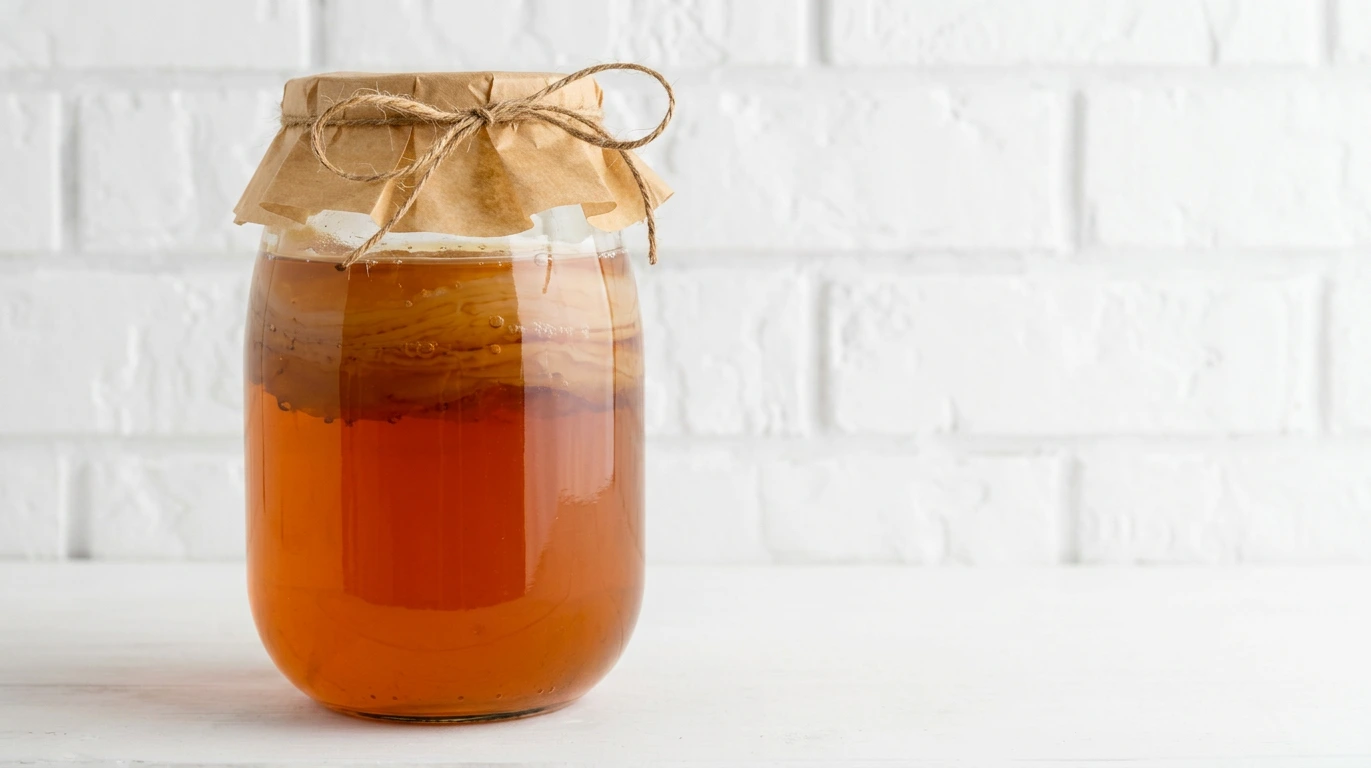
Just as sourdough bread and yogurt need a mother culture to begin producing beneficial bacteria, so does kombucha. A mother culture — or SCOBY (Symbiotic Culture of Bacteria and Yeast) — is needed to begin the fermentation process for this fizzy, tangy beverage. Without it, you cannot make kombucha at home.
This listing includes a large SCOBY, starter tea, and written instructions so you can begin your first batch as soon as it arrives.
What You Will Receive
One large Kombucha SCOBY — a healthy, active mother culture
Starter tea — the acidic liquid that protects the SCOBY and starts fermentation
Written instructions — a simple guide for your first batch
What You’ll Need to Brew Kombucha at Home
So you can plan ahead, here is what you’ll need alongside your SCOBY:
Black or green tea — plain, unflavoured tea works best. Avoid flavoured or herbal teas for the first batch, as oils and additives can harm the culture
Organic cane sugar — the SCOBY feeds on sugar, which is converted during fermentation. Do not use artificial sweeteners or honey for the first batch
Filtered water — important, as much tap water contains chlorine and fluoride that do not support growth. If using tap water, leave it to stand for 24 hours first
A large glass jar — 1–4 litres is ideal
A breathable cover — muslin cloth, coffee filter, or paper towel secured with a rubber band
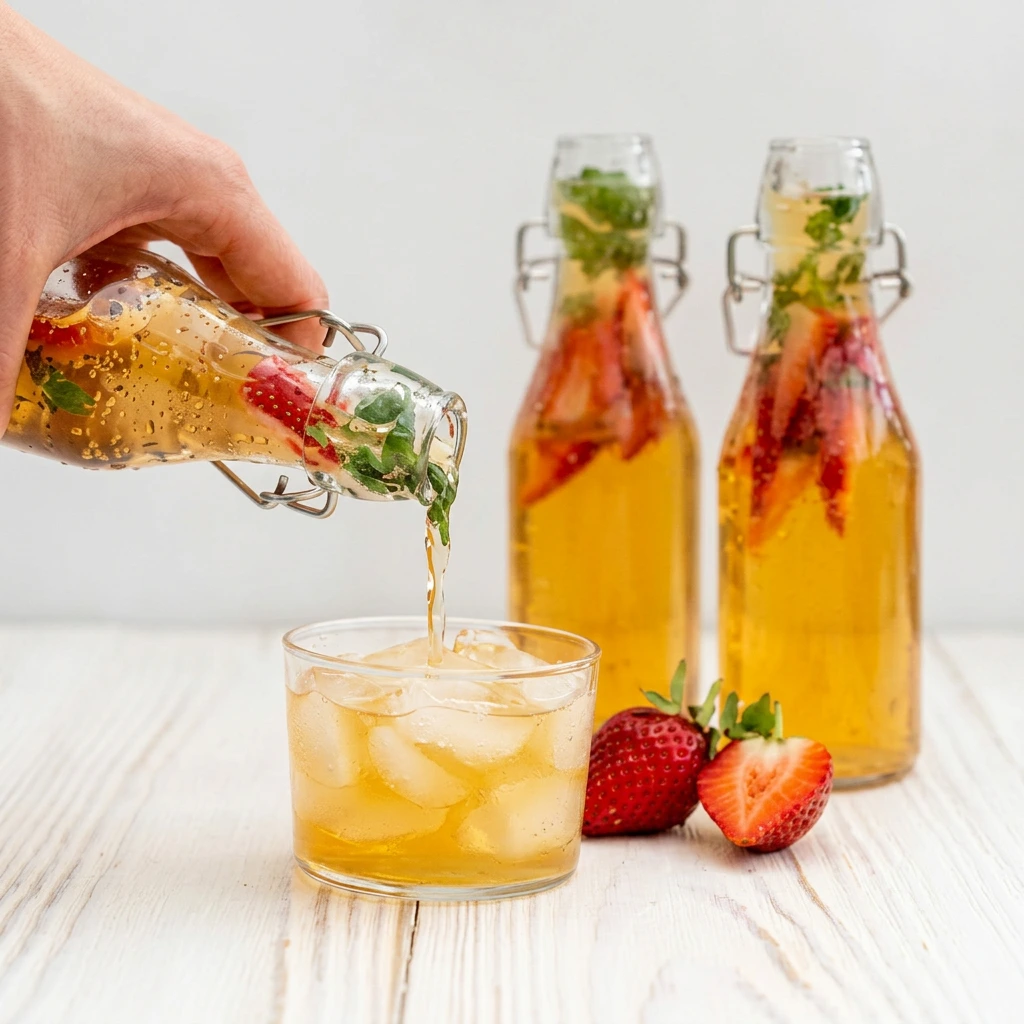
Bottles for the finished kombucha — swing-top glass bottles work well
How to Brew Your First Batch
Step 1: Make the Sweet Tea
Brew 4–6 tea bags (or the equivalent loose tea) in 1 litre of boiled filtered water. Add 70–100g of organic cane sugar while the water is hot, and stir until dissolved. Leave to cool to room temperature.
Step 2: Add the Starter Tea
Pour the cooled sweet tea into your clean glass jar. Add the starter tea that came with your SCOBY. This acidic liquid lowers the pH and protects the culture from unwanted organisms.
Step 3: Add the SCOBY
Gently place the SCOBY on top of the liquid. It may float, sink, or sit at an angle — all are normal.
Step 4: Cover and Ferment
Cover the jar with your breathable cloth and secure it. Leave it at room temperature (18–24°C) , out of direct sunlight, for 7–14 days.
Step 5: Taste and Bottle
After 7 days, taste the kombucha. If it’s still too sweet, leave it longer. When it tastes tangy and slightly fizzy, it’s ready. Remove the SCOBY and set it aside with some starter tea for your next batch. Bottle the kombucha and refrigerate.
Step 6: Start Your Next Batch
The SCOBY is reusable. Each batch produces a new layer, so your culture grows over time. You can share the extra layers or start additional jars.
Looking After Your Kombucha SCOBY
Temperature. Room temperature is ideal. Avoid cold spots and direct heat.
Light. Keep the jar out of direct sunlight. A dark cupboard or shaded corner works well.
Tea. Black tea is traditional, but green tea works too. Avoid herbal, flavoured, or artificially sweetened teas.
Sugar. Cane sugar is essential. The Kombucha SCOBY needs it to ferment. Do not use artificial sweeteners.
Water. Filtered water is best. If using tap water, let it stand for 24 hours to allow chlorine to evaporate.
Resting. If you need a break, store the Kombucha SCOBY in a jar with enough starter tea to cover it, covered, at room temperature. It can rest for several weeks.
Frequently Asked Questions
Q: What is a Kombucha SCOBY?
A: SCOBY stands for Symbiotic Culture of Bacteria and Yeast. It is the mother culture used to ferment sweet tea into kombucha.
Q: What do I receive with this listing?
A: One large Kombucha SCOBY, starter tea, and written instructions.
Q: How long does it take to brew kombucha?
A: 7–14 days at room temperature, depending on the temperature and how tangy you like it.
Q: What tea should I use?
A: Black or green tea. Avoid herbal, flavoured, or artificially sweetened teas for the first batch.
Q: What sugar should I use?
A: Organic cane sugar. The SCOBY feeds on it during fermentation. Do not use artificial sweeteners or honey for the first batch.
Q: Can I use tap water?
A: Filtered water is best. Tap water often contains chlorine and fluoride that do not support growth. If using tap water, leave it to stand for 24 hours first.
Q: What temperature should the kombucha ferment at?
A: 18–24°C. Avoid cold spots and direct heat.
Q: How do I know when it’s ready?
A: Taste it after 7 days. If it’s still sweet, leave it longer. When it tastes tangy and slightly fizzy, it’s ready.
Q: Can I reuse the SCOBY?
A: Yes. The SCOBY is reusable indefinitely. Each batch produces a new layer, so your culture grows over time.
Q: What is starter tea?
A: Starter tea is the acidic liquid from a previous batch of kombucha. It lowers the pH of the new batch and protects the SCOBY from unwanted organisms.
Q: What if I don’t have starter tea?
A: This listing includes starter tea. If you ever need more, you can use plain, unpasteurised kombucha from a shop as a substitute.
Q: Can I flavour the kombucha?
A: Yes, during the second fermentation. Add fruit, ginger, or herbs to the bottled kombucha and leave it at room temperature for 2–3 days for extra fizz and flavour.
Q: How should I store the SCOBY if I’m not brewing?
A: Store it in a jar with enough starter tea to cover it, covered, at room temperature. It can rest for several weeks.
Q: Do you ship within the UK?
A: Yes. All orders are shipped from the UK. Please see our shipping policy for delivery times.
Q: What if the SCOBY arrives looking flat?
A: It may look inactive after transit. Place it in sweet tea with starter tea at room temperature and it should revive within a few days.
Important Notes
This is a live culture — begin brewing as soon as possible after arrival
Do not use metal utensils with the SCOBY. Use glass, plastic, or wood
Full instructions are included with your order
Disclaimer: This listing is for a live kombucha starter culture. It is not intended to diagnose, treat, cure, or prevent any disease. Always consult your healthcare professional before making changes to your diet.