https://www.healthline.com/nutrition/9-health-benefits-of-kefir
https://www.bbcgoodfood.com/health/nutrition/health-benefits-kefir
https://thepowerofchi777.com/shop-premium-organic-supplements/
Organic Milk Kefir Grains 30g – Premium Live Probiotic Starter Culture for Homemade Kefir
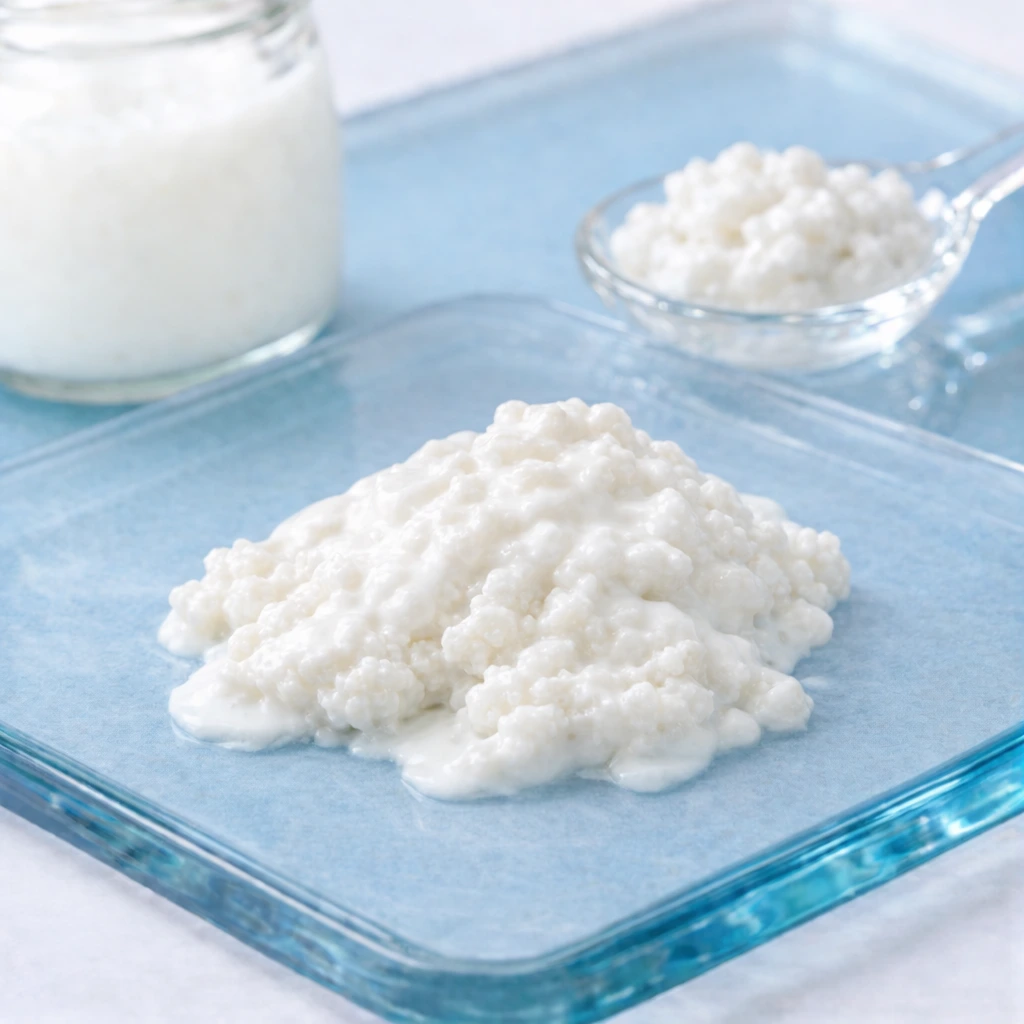
Organic Milk Kefir Grains are a live starter culture used to make fresh kefir at home. This 30g portion is enough to begin fermenting your own milk kefir, and with proper care, the grains multiply so you can keep a continuous supply going indefinitely.
Kefir is a fermented milk drink made by adding kefir grains to milk. The grains are a symbiotic community of bacteria and yeasts — not a powder or a supplement, but a living culture that ferments the milk over 12–48 hours. The result is a tangy, slightly effervescent drink that has been made in homes for centuries.
This listing is for the Organic Milk Kefir Grains, not the finished kefir. You add them to milk, wait, strain, and drink the kefir. The grains are then reused for the next batch.
What You Will Receive
30g of live organic milk kefir grains
Easy-to-follow instructions for your first batch
Ongoing guidance — kefir grains are hardy and multiply with regular use
Why Make Kefir at Home?
Fresh, live product — not pasteurised, not powdered, not processed
Cost-effective — once you have grains, you can make kefir indefinitely
Full control — you choose the milk, the fermentation time, and the taste
Simple process — add grains to milk, wait, strain, and drink
Self-sustaining — the grains grow, so you never need to buy them again
How to Make Milk Kefir
Step 1: Add the Grains to Milk
Place the 30g of kefir grains into a clean glass jar. Add approximately 500ml–1 litre of milk. Whole milk works best, but semi-skimmed, skimmed, goat’s milk, and sheep’s milk all work.
Step 2: Cover and Leave
Cover the jar with a breathable lid — a coffee filter, muslin cloth, or paper towel secured with a rubber band. Leave it at room temperature (18–24°C) for 12–48 hours.
Step 3: Strain
When the kefir has thickened and tastes tangy, strain the mixture through a plastic or stainless steel sieve. Do not use metal — it can damage the grains over time.
Step 4: Reuse the Grains
The grains left in the sieve go straight into the next batch of milk. The strained kefir is ready to drink.
Step 5: Repeat
That is the entire process. With regular use, the grains multiply. You can share them with friends, or use the extra to make more kefir at once.
Looking After Your Organic Milk Kefir Grains
Milk. Fresh milk is best. Ultra-heat-treated (UHT) milk works, but the grains may be slower to ferment.
Temperature. Room temperature is ideal. Avoid leaving them near radiators or in cold spots.
Rinsing. Do not rinse the grains unless absolutely necessary. Rinsing removes the protective film that keeps them healthy.
Resting. If you need a break, place the grains in fresh milk in the fridge. They will slow down but stay alive for 1–2 weeks. Change the milk weekly.
Reviving. If the grains have been neglected or stored too long, place them in fresh milk at room temperature for a few days. They usually recover.
Frequently Asked Questions
Q: What are Organic Milk Kefir Grains?
A: They are a live symbiotic culture of bacteria and yeasts. You add them to milk to make kefir. They are not a powder or a supplement — they are a living starter culture.
Q: How much milk do I use?
A: Approximately 500ml–1 litre per 30g of grains. You can adjust the ratio as the grains multiply.
Q: How long does fermentation take?
A: 12–48 hours at room temperature. Shorter fermentation gives a milder taste; longer gives a tangier, thicker kefir.
Q: What milk should I use?
A: Whole milk works best. Semi-skimmed, skimmed, goat’s milk, and sheep’s milk all work. UHT milk works but may ferment more slowly.
Q: Can I use plant milk?
A: Plant milks can be used, but the grains need dairy milk to stay healthy long-term. If you want to make kefir with plant milk, use dairy milk periodically to keep the grains strong.
Q: Can I use metal utensils?
A: Avoid metal. Use plastic or stainless steel sieves and wooden or plastic spoons. Metal can weaken the grains over time.
Q: How do I store the grains if I’m not making kefir?
A: Place them in fresh milk in the fridge for up to 1–2 weeks. Change the milk weekly.
Q: Do the grains multiply?
A: Yes. With regular use, the grains grow. You can make larger batches, share them, or store the extras.
Q: How long do the grains last?
A: With regular use, indefinitely. They are a self-sustaining culture.
Q: Can I eat the grains?
A: Yes, they are edible, but most people strain them out and reuse them. Eating them reduces your supply.
Q: Is kefir safe for everyone?
A: Kefir is a fermented food. Consult your healthcare provider before introducing it to your diet, especially if you are pregnant, nursing, or have a medical condition.
Q: How should I store the grains on arrival?
A: Add them to fresh milk as soon as possible. If you can’t, place them in milk in the fridge until you’re ready.
Q: Do you ship within the UK?
A: Yes. All orders are shipped from the UK. Please see our shipping policy for delivery times.
Q: Are these organic?
A: Yes, our milk kefir grains are organic.
Q: Can I use them to make water kefir?
A: No. Milk kefir grains and water kefir grains are different cultures. This listing is for milk kefir grains.
Q: What if the grains arrive and look flat?
A: They may look inactive after transit. Place them in fresh milk at room temperature for 24–48 hours and they should revive.
Important Notes
Organic Milk Kefir Grains is a live culture — add it to milk promptly after arrival
Do not use metal utensils with the grains
Kefir is a fermented food; consult your healthcare provider before making changes to your diet
Full instructions are included with your order
Disclaimer: This listing is for a live milk kefir starter culture. It is not intended to diagnose, treat, cure, or prevent any disease. Always consult your healthcare professional before making changes to your diet.